Why Deck Stain Peels (And How to Prevent It)
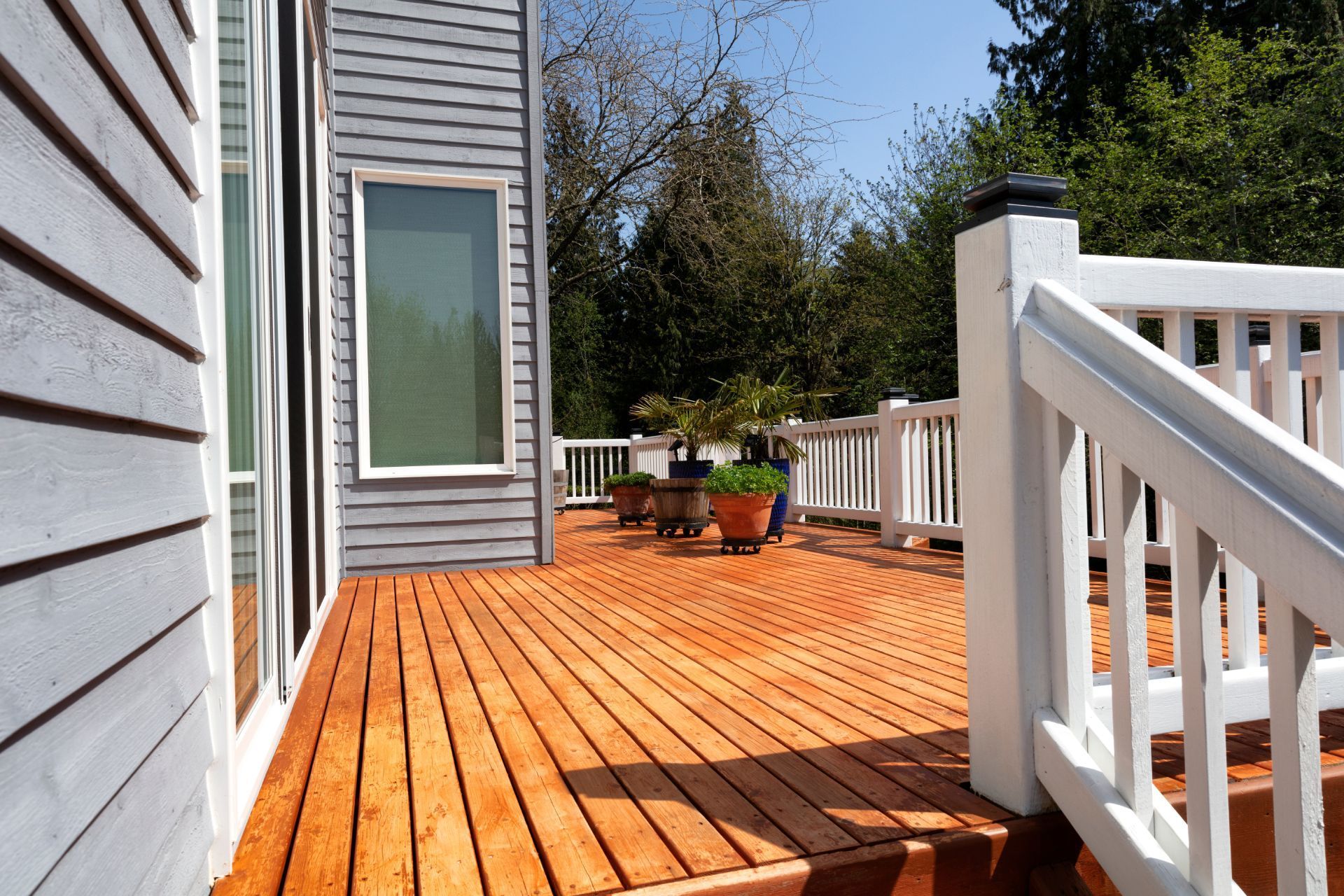
Few things are more frustrating than spending time and money staining a deck, only to see it start peeling a year or two later.
Many homeowners assume the stain itself is to blame, but in most cases, peeling stain is a symptom of a deeper issue.
The good news? Most deck stain failures are preventable.
If you understand why deck stain peels and how to avoid it, you can significantly extend the life of your deck and protect your investment.
The Biggest Misconception About Peeling Stain
One of the most common assumptions is:
"The stain failed."
In reality, the problem is often:
- Improper preparation
- Moisture in the wood
- Applying the wrong product
- Applying stain at the wrong time
The product is only one piece of the equation.
Moisture Is the #1 Enemy
Wood is constantly absorbing and releasing moisture.
When moisture becomes trapped beneath a coating, it creates pressure that can cause the stain to lose adhesion.
This is especially common in Connecticut due to:
- Snow and ice
- Heavy rain
- Humidity
- Freeze-thaw cycles
Once moisture gets behind a failing coating, peeling often follows.
Applying Stain Too Soon
This is one of the most common causes of premature failure.
New Pressure-Treated Lumber
New pressure-treated wood often contains a significant amount of moisture.
If stain is applied before the wood has adequately dried, the coating may struggle to bond properly.
The result can be:
- Peeling
- Flaking
- Uneven absorption
Every deck is different, but patience is critical.
Poor Surface Preparation
No stain performs well when applied over a poorly prepared surface. Common prep mistakes include:
- Staining over dirt and mildew
- Failing to remove loose coatings
- Skipping necessary sanding
- Inadequate cleaning
Preparation is often the difference between a deck stain that lasts two years and one that lasts five or more.
Using the Wrong Stain System
Not every deck is a good candidate for every type of stain. For example:
A heavily weathered deck with multiple repairs may not be a good candidate for a semi-transparent finish.
Likewise, applying a solid stain over failing previous coatings without proper preparation can create future adhesion problems.
Choosing the right product matters.
Too Many Layers
Over time, some decks accumulate multiple layers of coatings.
As additional layers build up, the coating system becomes thicker and less flexible. Eventually, stress from weather and moisture can cause sections to release.
This is particularly common on older decks that have been repeatedly coated without adequate preparation between applications.
High-Traffic Areas Wear Faster
Not all parts of a deck age equally.
The areas that experience the most foot traffic often fail first. Examples include:
- Stairs
- Main walking paths
- Areas near entry doors
- Spaces around grills and furniture
These areas may require maintenance sooner than the rest of the deck.
How to Prevent Deck Stain Failure
While no coating lasts forever, proper maintenance can dramatically extend its lifespan.
Start with Proper Cleaning
Remove:
- Dirt
- Mildew
- Algae
- Previous contaminants
A clean surface gives the stain the best opportunity to perform.
Address Existing Failure
Loose or failing coatings should be removed before new stain is applied. Covering over failure rarely solves the problem.
Choose the Right Product
Select a stain based on:
- The age of the deck
- The condition of the wood
- Desired appearance
- Maintenance expectations
The best stain is the one that fits the deck—not simply the one with the most appealing color.
Maintain the Deck Regularly
Regular cleaning and inspections help identify small issues before they become large restoration projects.
Preventative maintenance is almost always less expensive than major restoration work.
What If Your Deck Is Already Peeling?
If your deck is already showing signs of failure, the best solution depends on the severity of the problem.
Some decks may only require:
- Cleaning
- Spot preparation
Maintenance staining Others may require:
- Extensive sanding
- Stripping
- Restoration work
The sooner the issue is addressed, the more options are typically available.
Final Thoughts
Most peeling deck stain is not caused by a bad product.
It's usually the result of moisture, improper preparation, premature application, or selecting the wrong system for the condition of the deck.
Understanding these factors can help you avoid costly mistakes and dramatically improve the longevity of your deck stain.
Thinking About Restaining Your Deck?
At Brothers & Brushes Painting, we help Connecticut homeowners evaluate failing deck coatings, identify the root cause of the problem, and determine the best path forward.
Whether your deck needs a maintenance coat or a full restoration, we'd be happy to help you protect and preserve your outdoor living space.