How Often Should You Stain a Deck in Connecticut?
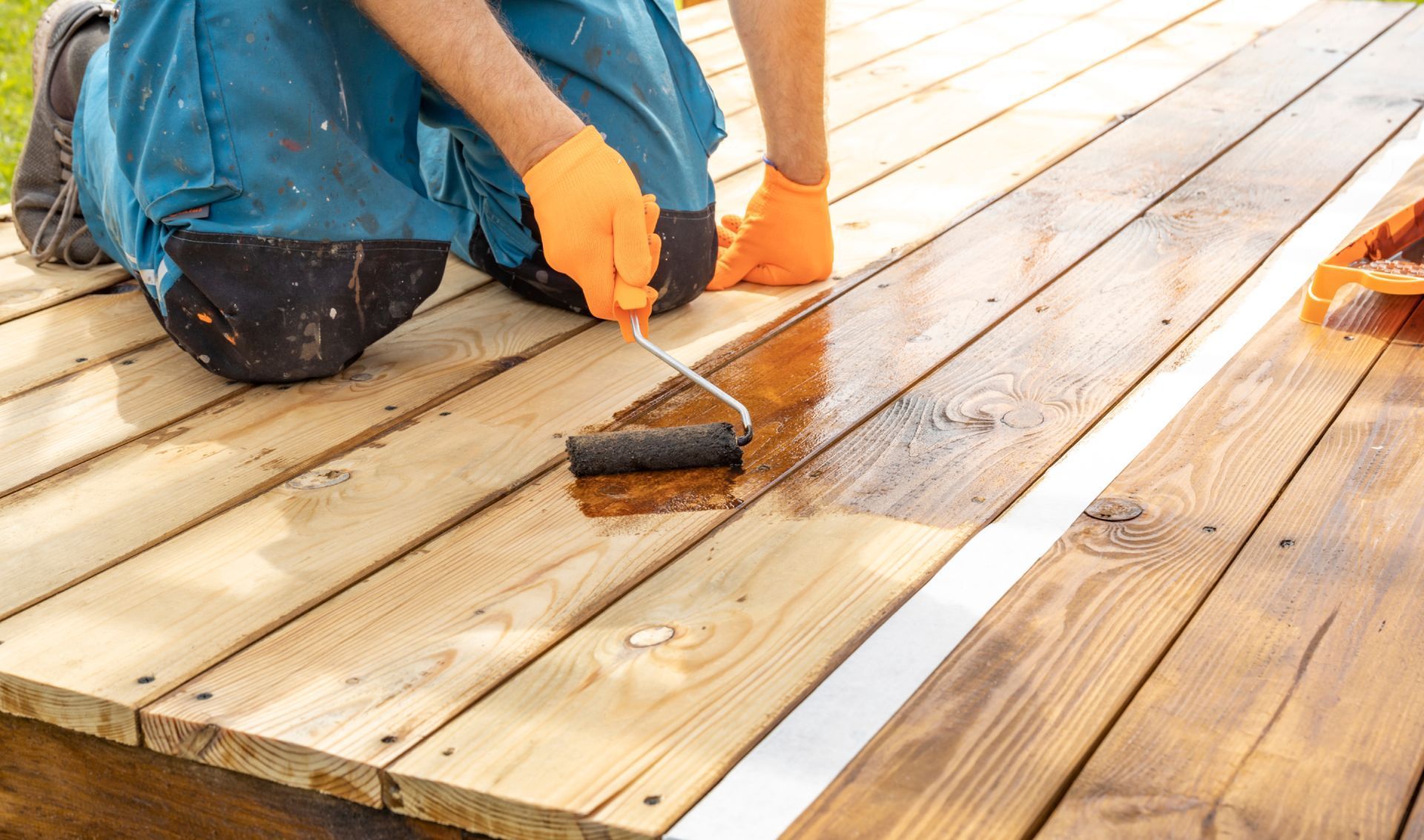
If you've invested in a deck, one of the most common questions is:
"How often should I stain it?"
The answer depends on several factors, including the type of stain used, how much sun exposure the deck receives, and the overall condition of the wood.
In Connecticut, where decks endure harsh winters, humid summers, rain, snow, and constant temperature swings, regular maintenance is essential to protect your investment.
The Short Answer
Most decks in Connecticut should be cleaned and evaluated annually and typically require maintenance every:
- Transparent stain: Every 2–3 years
- Semi-transparent stain: Every 3–4 years
- Semi-solid stain: Every 3–5 years
- Solid stain: Every 4–6 years
These are general guidelines, not guarantees. Some decks may require attention sooner, while others can go longer depending on their exposure and condition.
Why Connecticut Decks Require More Maintenance
Unlike warmer climates, Connecticut decks face all four seasons. Throughout the year, your deck experiences:
- Snow and ice
- Freeze and thaw cycles
- Heavy rain
- Humidity
- UV exposure
These conditions constantly cause the wood to expand and contract, putting stress on both the wood and the stain system.
The more exposed your deck is to sun and weather, the more frequently it will need maintenance.
Signs Your Deck Is Ready for Maintenance
Don't wait until the stain is completely gone.
Look for these warning signs:
Fading Color
If the stain has lost its richness or appears dull and washed out, UV exposure is beginning to break down the finish.
Water No Longer Beads
A simple test is to sprinkle water on the deck.
If the water quickly absorbs into the wood rather than beading on the surface, it's time to start planning maintenance.
Mold or Mildew Growth
Dark spots, green growth, or slippery areas indicate moisture is being retained on the surface.
Peeling or Flaking
This is especially common with solid stain systems and typically indicates the coating has reached the end of its service life.
Different Stains Require Different Maintenance
Transparent Stains
Transparent stains offer the most natural appearance but the least amount of UV protection.
Because they allow more sunlight to penetrate the wood, they typically require the most frequent maintenance.
Semi-Transparent Stains
Semi-transparent stains remain one of the most popular options because they balance appearance and protection.
They allow the wood grain to remain visible while offering improved durability.
Semi-Solid Stains
Semi-solid stains are an excellent option for older decks or decks with replacement boards. They provide strong protection while still allowing some wood texture to show through.
Solid Stains
Solid stains provide the highest level of UV protection and typically have the longest maintenance cycle.
They are often the best choice for older decks that have experienced significant weathering.
Why Annual Cleaning Matters
One of the biggest mistakes homeowners make is waiting until a deck looks bad before taking action.
A simple annual cleaning can:
- Remove dirt and debris
- Eliminate mildew and algae
- Extend the life of the stain
- Help identify issues before they become costly repairs
Many decks don't need full staining every year, but nearly all decks benefit from regular cleaning and inspection.
The Cost of Waiting Too Long
When maintenance is delayed, small issues become bigger projects.
Instead of a simple cleaning and maintenance coat, you may end up needing:
- Heavy washing
- Extensive sanding
- Stripping
- Additional prep work
Regular maintenance is almost always more affordable than restoration.
Our Recommendation
We recommend viewing deck maintenance the same way you view maintaining a roof or servicing a vehicle.
A deck is constantly exposed to the elements, and a little preventative care goes a long way.
For most Connecticut homeowners, scheduling a deck evaluation every spring is one of the best ways to protect the investment and avoid larger restoration costs down the road.
Final Thoughts
Most decks in Connecticut require maintenance every 2–6 years depending on the stain system and exposure.
The key is not waiting for complete failure before taking action.
Regular cleaning, periodic inspections, and timely maintenance coats can dramatically extend the life of both the stain and the wood itself.
Thinking About Maintaining Your Deck?
At Brothers & Brushes Painting, we help Connecticut homeowners evaluate their decks, determine the right maintenance schedule, and keep their outdoor spaces looking their best year after year.
Whether your deck needs a simple maintenance coat or a full restoration, we'd be happy to help.