Best Deck Stain for Connecticut Weather
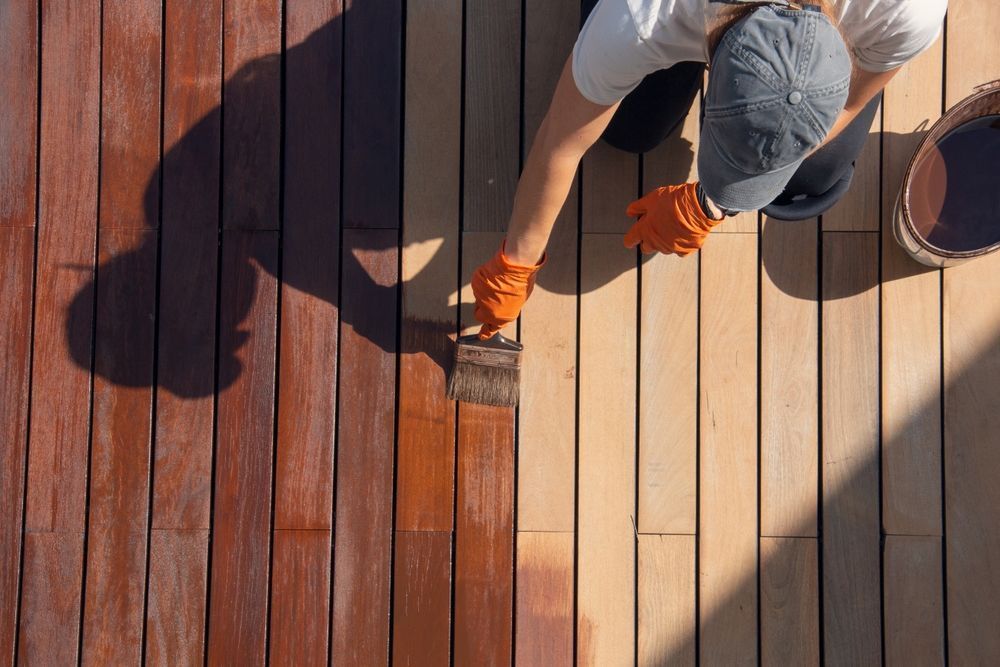
If you're planning to stain your deck in Connecticut, one of the most important decisions you'll make is choosing the right product.
Between harsh winters, humid summers, heavy rain, snow, and constant UV exposure, Connecticut decks endure some of the toughest conditions in the country.
The good news? The right stain can dramatically extend the life of your deck while keeping it looking great year after year.
So what is the best deck stain for Connecticut weather? Let's break it down.
Why Connecticut Weather Is Tough on Decks
Connecticut decks experience all four seasons, which means constant expansion and contraction of the wood.
Common challenges include:
- Snow and ice during winter
- Heavy rain and moisture throughout the year
- Humid summers
- UV exposure that causes fading and drying
- Mold and mildew growth
Because of these conditions, choosing the right stain isn't just about appearance—it's about protection.
Understanding Deck Stain Types
Not all stains perform the same way.
Transparent Stains
Transparent stains provide the least amount of protection but allow the most natural wood grain to show through.
Best for:
- New cedar
- High-end hardwoods
- Homeowners who want a natural appearance
Keep in mind that transparent stains generally require more frequent maintenance.
Semi-Transparent Stains
Semi-transparent stains allow the wood grain to remain visible while adding more UV and moisture protection.
Best for:
- Newer decks
- Cedar decks
- Homeowners who want to see natural wood character
This is often one of the most popular choices for Connecticut homeowners.
Semi-Solid Stains
Semi-solid stains provide significantly more protection while still allowing some wood grain and texture to show through.
Best for:
- Older decks
- Decks with repaired boards
- Surfaces with color variation
Semi-solid stains offer an excellent balance between appearance and durability.
Solid Stains
Solid stains provide the highest level of UV protection and hide most imperfections in the wood. Best for:
- Older decks
- Previously stained decks
- Decks with significant repairs or weathering
Solid stains often deliver the longest maintenance cycle.
What We Recommend Most Often
At Brothers & Brushes Painting, we typically recommend selecting the stain based on the age and condition of the deck rather than simply choosing a color.
For many Connecticut homeowners:
- New cedar decks often perform best with semi-transparent stains.
- Decks with replacement boards or uneven coloration often benefit from semi-solid stains.
- Older decks with significant weathering often perform best with solid stains.
The right system depends on the condition of the wood, previous coatings, and your maintenance expectations.
Common Mistakes Homeowners Make
Choosing Transparency Based Only on Appearance
Many homeowners love the look of semi-transparent stains but don't realize that older decks may not be good candidates.
If the deck contains:
- Replaced boards
- Previous coatings
- Significant discoloration
A more opaque product may produce a much better result.
Applying Stain Too Soon
New pressure-treated lumber often needs time to dry before staining.
Applying stain too early can cause adhesion issues and premature failure.
Skipping Prep
No stain performs well without proper preparation.
Proper preparation typically includes:
- Cleaning
- Removing mildew
- Addressing previous coating failure
- Light sanding when needed
Prep is often the difference between a stain job that lasts two years and one that lasts five or more.
How Often Should a Deck Be Restained?
Most Connecticut decks require maintenance every:
- 2–3 years for transparent systems
- 3–5 years for semi-transparent and semi-solid systems
- 4–6 years for solid stain systems
Actual maintenance schedules vary depending on exposure, foot traffic, and product selection.
Final Thoughts
The best deck stain for Connecticut weather depends on your deck's age, condition, and your long-term goals.
For newer decks, semi-transparent stains often provide a beautiful natural appearance.
For older decks, semi-solid and solid stains typically offer the best combination of appearance, protection, and longevity.
The most important factor isn't the brand or color—it's selecting the right system and properly preparing the surface before application.
Thinking About Staining Your Deck?
At Brothers & Brushes Painting, we help Connecticut homeowners choose the right stain system for their deck and provide professional preparation and application for long-lasting results.
If you're considering a deck staining project this season, we'd be happy to walk you through your options and provide a detailed estimate.