How to Choose Exterior Paint Colors for Your Connecticut Home
Choosing the Right Exterior Paint Color
Selecting an exterior paint color is one of the biggest decisions you'll make when updating your home. The right color can enhance curb appeal, complement your home's architecture, and even increase its value. The wrong color can make a home feel out of place or require another repaint much sooner than expected.
At Brothers & Brushes Painting, we encourage homeowners to take their time with color selection. Unlike interior walls, you'll be living with your home's exterior color every day for years to come.
Consider Your Home's Architecture
Not every color works well on every style of home.
For example:
- Colonial homes often look best with timeless, traditional colors.
- Farmhouses pair beautifully with clean whites, grays, and muted earth tones.
- Contemporary homes can handle bolder color combinations and darker finishes.
- Cape-style homes often look great with classic New England color palettes.
The goal is to choose a color that complements the character of your home rather than competing with it.
Look at Your Surroundings
Connecticut homes are surrounded by changing seasons, mature trees, stone walls, and natural landscapes.
Before selecting a color, consider:
- Roofing color
- Stone or brick accents
- Walkways and retaining walls
- Landscaping
- Neighboring homes
- Amount of shade versus direct sunlight
A color that looks perfect on a sample board may appear completely different once it's applied across the entire home.
Think About Resale Value
If you plan to sell your home in the next several years, neutral colors are typically the safest investment.
Popular choices include:
- Warm whites
- Soft grays
- Taupes
- Greiges
- Natural earth tones
Timeless colors tend to appeal to the widest range of buyers while maintaining strong curb appeal.
Don't Forget the Trim
Your siding isn't the only color decision.
The trim color plays a huge role in defining the finished appearance.
Many homeowners choose:
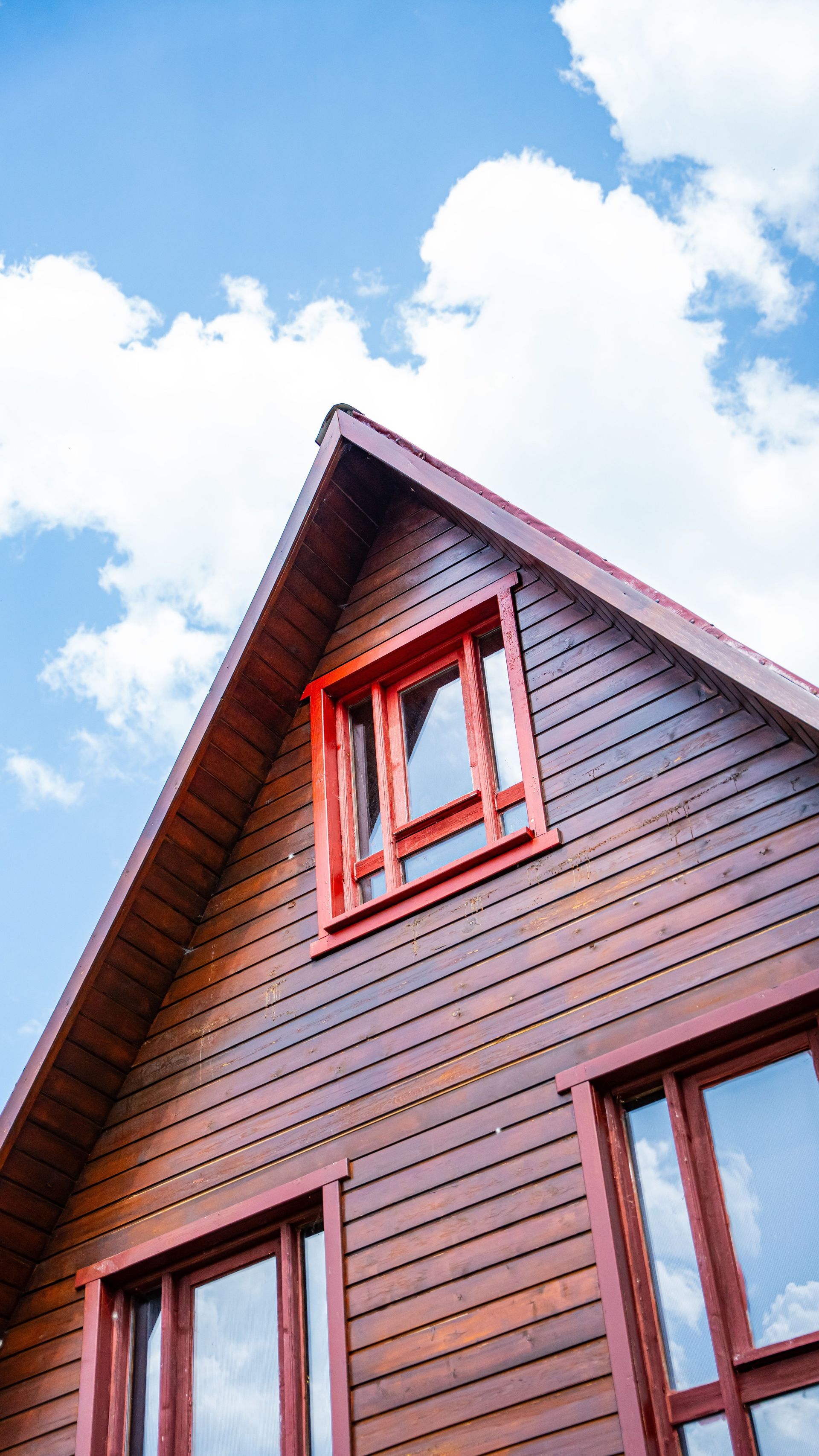
- White trim for a classic look
- Black trim for a modern contrast
- Soft off-whites for a more subtle appearance
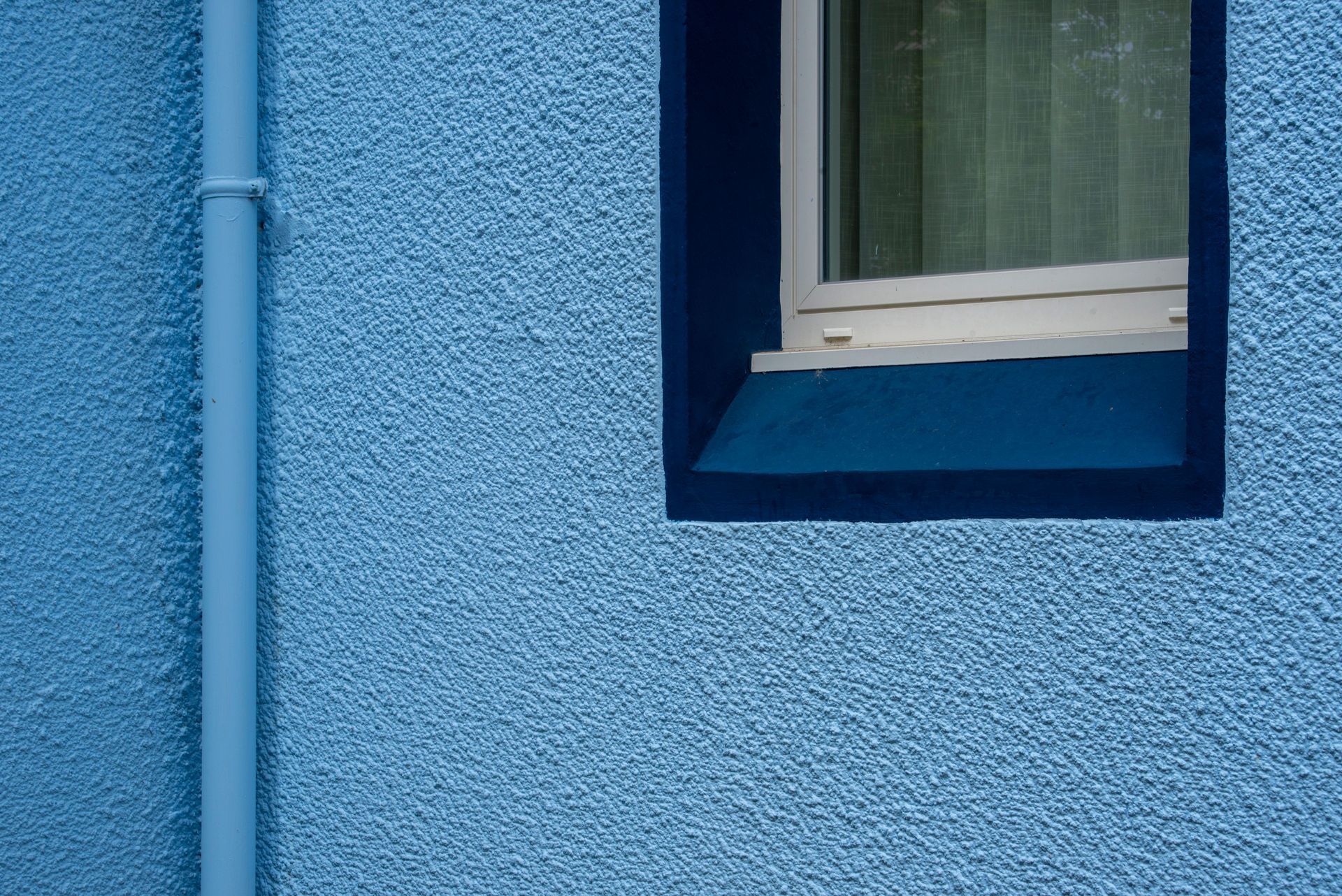
The combination of siding, trim, shutters, and doors should work together as a complete exterior color palette.
Choose the Right Sheen
The finish is just as important as the color.
For most Connecticut homes, we recommend:
Body: Low Lustre or Flat finish
Trim: Soft Gloss finish
This combination creates subtle contrast while helping hide imperfections on larger surfaces and providing additional durability on trim.
Test Colors Before Making a Final Decision
Never rely solely on a small paint chip.
We recommend applying large sample areas and viewing them:
- In morning sunlight
- During the afternoon
- In the shade
- On cloudy days
Natural lighting dramatically changes how exterior colors appear.
Use Premium Exterior Products
Even the perfect color won't perform well without a quality coating system.
At Brothers & Brushes Painting, we recommend premium Benjamin Moore exterior products designed to withstand Connecticut's weather while maintaining excellent color retention and durability.
Combined with proper preparation, these products help ensure your investment lasts for years.
Our Color Consultation Process
Choosing an exterior color doesn't have to feel overwhelming.
During your estimate, we'll discuss:
- Your home's architectural style
- Existing features that will remain
- Color combinations
- Sheen recommendations
- Long-term maintenance considerations
Our goal is to help you choose colors you'll still love years from now.
Final Thoughts
Exterior painting is one of the best investments you can make in your home—but choosing the right color takes planning.
By considering your home's architecture, surroundings, lighting, and long-term goals, you'll be far more likely to select a color palette that enhances your home's beauty and value.
Schedule Your Free Exterior Painting Consultation
If you're considering repainting your home's exterior, Brothers & Brushes Painting can help you select the right colors, finishes, and coating system for your home.
Contact us today to schedule your free consultation and let us help bring your vision to life with confidence.